Archived book review
One Hundred Years of Solitude
By Gabriel García Márquez
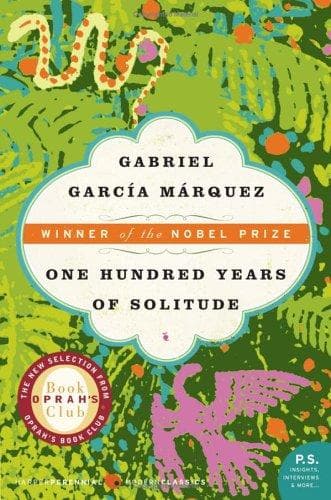
Exhausting—but so good. Easily top 5 for the year, maybe even all-time for fiction. That said, I'll probably never listen to or read it again.
It's wildly imaginative and written for an adult audience, full of vibrant language that feels like a barrage of colorfully translated words. Even the names have a kind of music to them—three-part names that roll off the tongue in this rhythmic, lyrical way.
The story tracks seven generations of the Buendía family in the fictional town of Macondo. Every time a character is introduced, their full name is repeated—often—which makes the audiobook feel a bit intense. Still, it works. The repetition is the point: history circles back, the same names reappear, the same mistakes recur. As one character observes about time in the novel, the past was a lie and even the wildest loves proved ephemeral in the end.
This is the book that launched magical realism as a global literary movement. Ghosts walk alongside the living. A rain lasts four years. A woman ascends to heaven while hanging laundry. García Márquez blends the fantastical with the mundane so seamlessly that you stop noticing the seams. It's not fantasy—it's a different relationship with reality entirely.
The common criticism is fair: the character names are confusing. Multiple Aurelianos, multiple José Arcadios, across generations. Goodreads reviewers (4.12 stars, over a million ratings) echo this constantly. My advice: keep a family tree handy, or accept that the confusion is part of the experience. The blurring of individuals across time is the theme.
The ending lands well—it digs into both external and internal aspects of the human experience, and the final pages bring the cyclical structure to a devastating close.
If you're into fiction, this one's essential. For similar epic scope, pair with the Divine Comedy or The Iliad. For another dreamlike narrative structure, try Murakami's Hard-Boiled Wonderland and the End of the World.